Things to Do in Mexico City During the World Cup 2026 (Beyond the Stadium)
Mexico City is the only 2026 World Cup host city that has hosted twice before, and Estadio Azteca is the only stadium in the world to have hosted two World Cup finals. The Zocalo Fan Festival holds 90,000 people, the largest of any host city, on top of a metro station that moves 50,000 an hour. Here is the data on costs, the day trips, the neighborhoods, and the food that make a CDMX trip the best-value 2026 experience.
adminFox
The Zocalo in Mexico City is the second-largest public square in the world (after Tiananmen Square) and the largest in Latin America, with 57,600 square meters of paved open space. The official 2026 World Cup Fan Festival here will hold 90,000 people, the largest Fan Festival capacity of any host city, more than the entire population of the surrounding Estadio Azteca neighborhoods. No other host city can match this combination of free public space and metro access. The Zocalo sits on top of the Zocalo metro station, which moves 50,000 people an hour through its 4 lines.
Mexico City is the only 2026 World Cup host city that has hosted the tournament twice before (1970, 1986), and Estadio Azteca is the only stadium in the world to have hosted two World Cup finals. The opening match on June 11, 2026 will be the third time Azteca has hosted a World Cup opener, an honor no other stadium on earth has matched. For fans visiting for the tournament, the city offers the deepest cultural programming outside the stadium of any host city, and the lowest accommodation cost of any 2026 host.
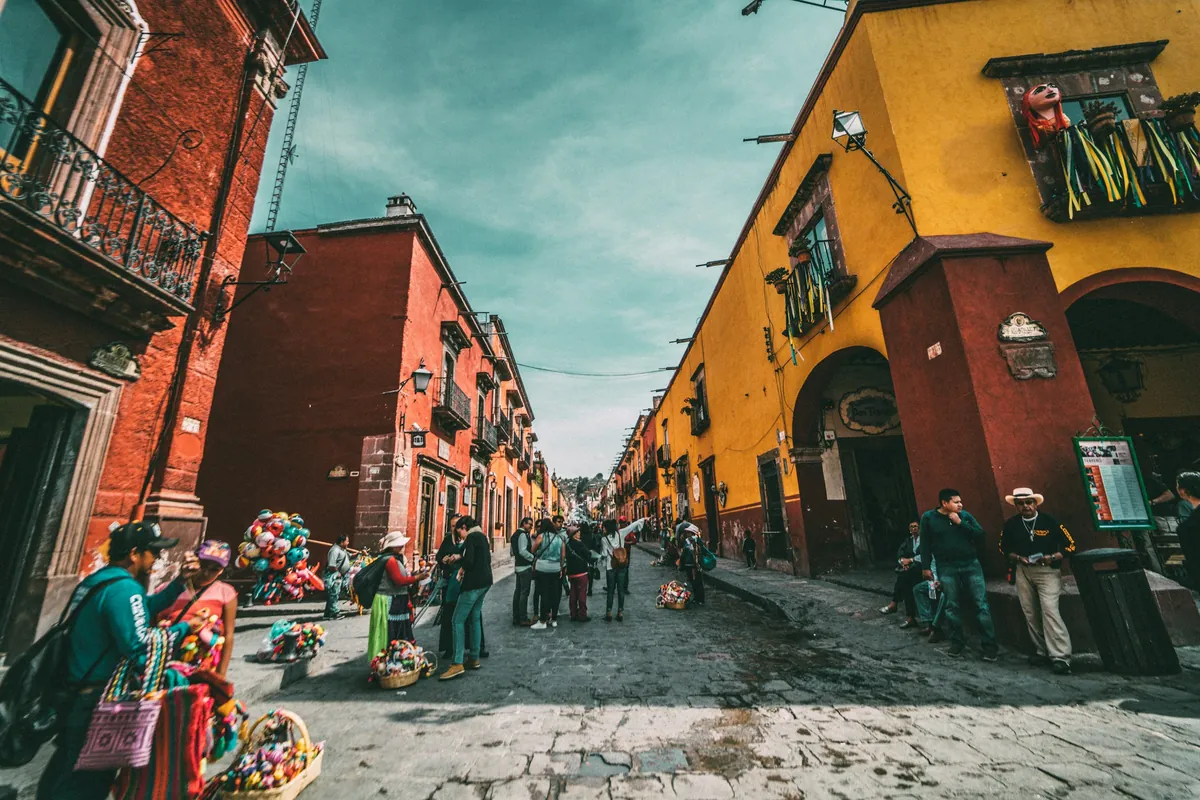
Mexico's colonial heritage is part of the travel experience beyond the stadiums. The Zocalo Fan Festival activates the largest public square in Latin America.
Why Mexico City is the best-value 2026 host
The 2026 host cities break down into three pricing tiers: the US and Canadian cities (200 to 600 USD per night for well-located hotels during the tournament), Miami (180 to 450 USD), and Mexico (60 to 180 USD). The Mexico City tier also has the lowest food cost (street tacos at 1.50 to 2.50 USD for three), the lowest transit cost (5 pesos per metro ride, less than 0.30 USD), and the lowest Fan Festival entry cost (free, like every FIFA Fan Festival). The total cost of a 4-day Mexico City trip during the 2026 opener is roughly 400 to 600 USD per person, less than a single night at a central Manhattan hotel during the same week.
For fans who treat the World Cup as a multi-city trip, the math is even more favorable. A 10-day trip covering Mexico City, Toronto, and New York costs roughly 2,500 to 3,500 USD per person with mid-range hotels. The Mexico leg absorbs less than 30 percent of that total budget, even though it is the most expensive country to visit in absolute terms among the three.
Free things to do during the tournament (with logistics)
Mexico City does not slow down for the World Cup; it gets louder. The list below is what is confirmed as of early 2026.
Zocalo Fan Festival
The official Mexico City Fan Festival is at the Zocalo, with 90,000 capacity, free entry, and a giant LED screen showing every match. The site is also the home of the FIFA Trophy Tour stop in Mexico City, which means the actual World Cup trophy will be on display for public photos from June 1 to June 12, 2026. Arrive 3 hours before marquee matches; capacity caps do happen for the opening match and the Mexico games.
Walk the Centro Historico
The Centro Historico is a UNESCO World Heritage site and the heart of the city. The Templo Mayor ruins, the Metropolitan Cathedral, and the Palacio Nacional are all within a 10-minute walk of each other, and admission to the Templo Mayor ruins is free on Sundays. The architecture alone justifies a full day of walking.
Coyoacan and the Frida Kahlo Museum
Coyoacan is the bohemian neighborhood south of the center, famous for the Frida Kahlo Museum (Casa Azul) and the markets of Plaza Hidalgo. A Coyoacan visit is the most popular half-day trip for any Mexico City tourist, and during the World Cup the cafes fill with fans from every team wearing their colors. Casa Azul tickets sell out 2 to 3 weeks in advance during the tournament.
Day trips from Mexico City (with travel times)
The city is the gateway to some of the most important archaeological sites in the Americas. If you have a few non-match days, the day trips are worth the early start.
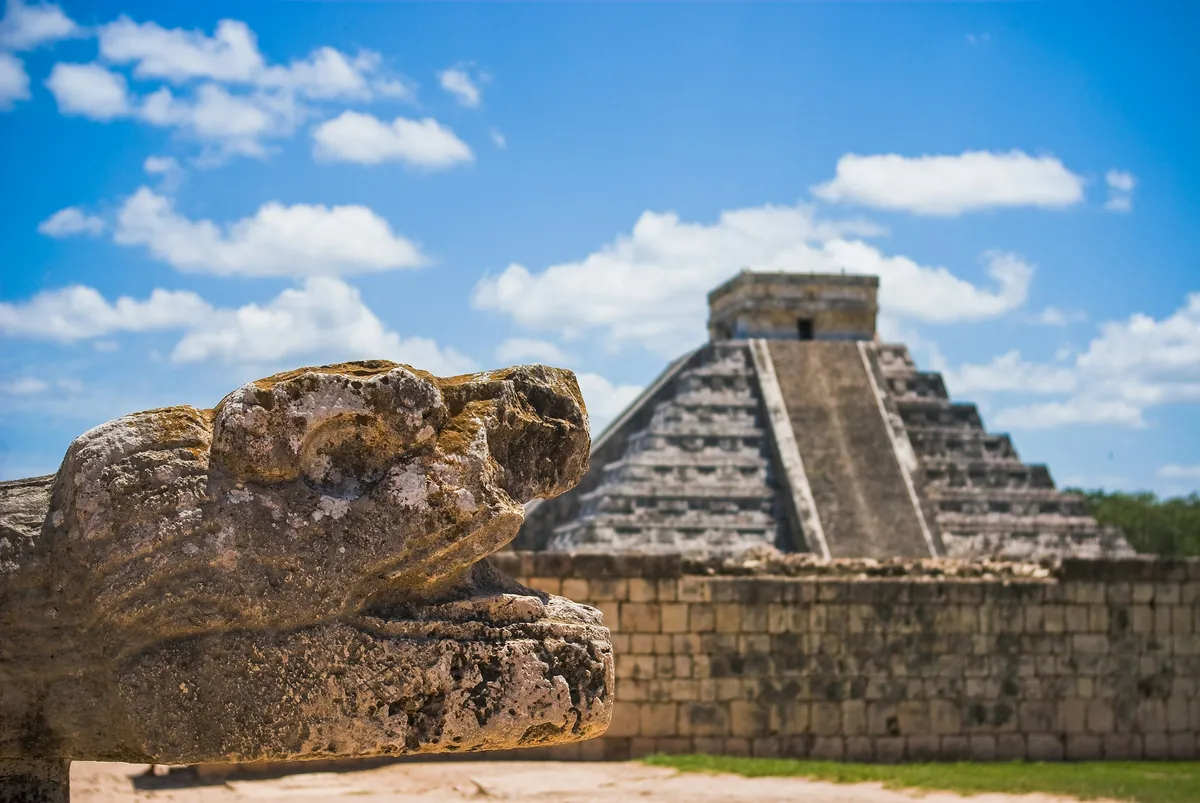
Chichen Itza is a long day trip from Mexico City but one of the most rewarding in the country. The flight from MEX to CUN is 1 hour 50 minutes.
Teotihuacan (1 hour from the city)
Teotihuacan is the most accessible day trip from Mexico City. The ancient pyramids of the Sun and the Moon sit in a valley 50 km northeast of the city, and the climb to the top of the Pyramid of the Sun is one of the most rewarding experiences in central Mexico. Buses leave from the Autobuses del Norte terminal every 30 minutes, the first at 6 AM, the last at 10 PM. Round-trip ticket from Terminal del Norte is 110 MXN (6 USD).
Cholula and Puebla (2 hours from the city)
Cholula is home to the Great Pyramid, the largest pyramid by volume in the world, hidden under a hill with a church on top. The nearby colonial city of Puebla is a UNESCO site famous for its food (mole poblano, cemitas, chiles en nogada) and its Talavera pottery. A full-day tour combines both easily, with bus departures from TAPO terminal every 30 minutes from 6 AM. Round-trip ticket is 180 MXN (10 USD).
Chichen Itza (overnight trip)
Chichen Itza is the iconic Mayan ruin in the Yucatan Peninsula, but it is 1,200 km from Mexico City. A 1 hour 50 minute flight to Merida or Cancun plus a 2-hour drive gets you there. The cheapest round-trip flight in June 2026 is 90 to 130 USD with VivaAerobus or Volaris. If you are extending the trip by 2 to 3 days, this is the must-see. Otherwise, save it for a future Mexico trip.
Neighborhoods to know during the tournament
Each Mexico City neighborhood hosts a different national fan community, and the easiest way to feel the tournament is to walk through them on match days.
Condesa and Roma
These twin central neighborhoods are the most European in feel, with tree-lined avenues, art deco apartments, and the highest concentration of cafes and restaurants in the city. Match days for European teams (Italy, France, Germany, Spain) bring out the local expat crowds. Average restaurant tab for two is 350 to 600 MXN (20 to 35 USD).
Coyoacan
Coyoacan is the heart of Mexican intellectual and artistic life, and the Frida Kahlo Museum is here. Match days for Latin American teams (Argentina, Brazil, Colombia, Uruguay) bring out the local fan clubs. The Mercado de Coyoacan is the best place to try pre-match street food.
Zona Rosa
Zona Rosa has been the LGBTQ+ hub of Mexico City for decades, and the international crowd here skews toward fans from the US, Canada, and Western Europe. It is also the closest neighborhood to the US Embassy.
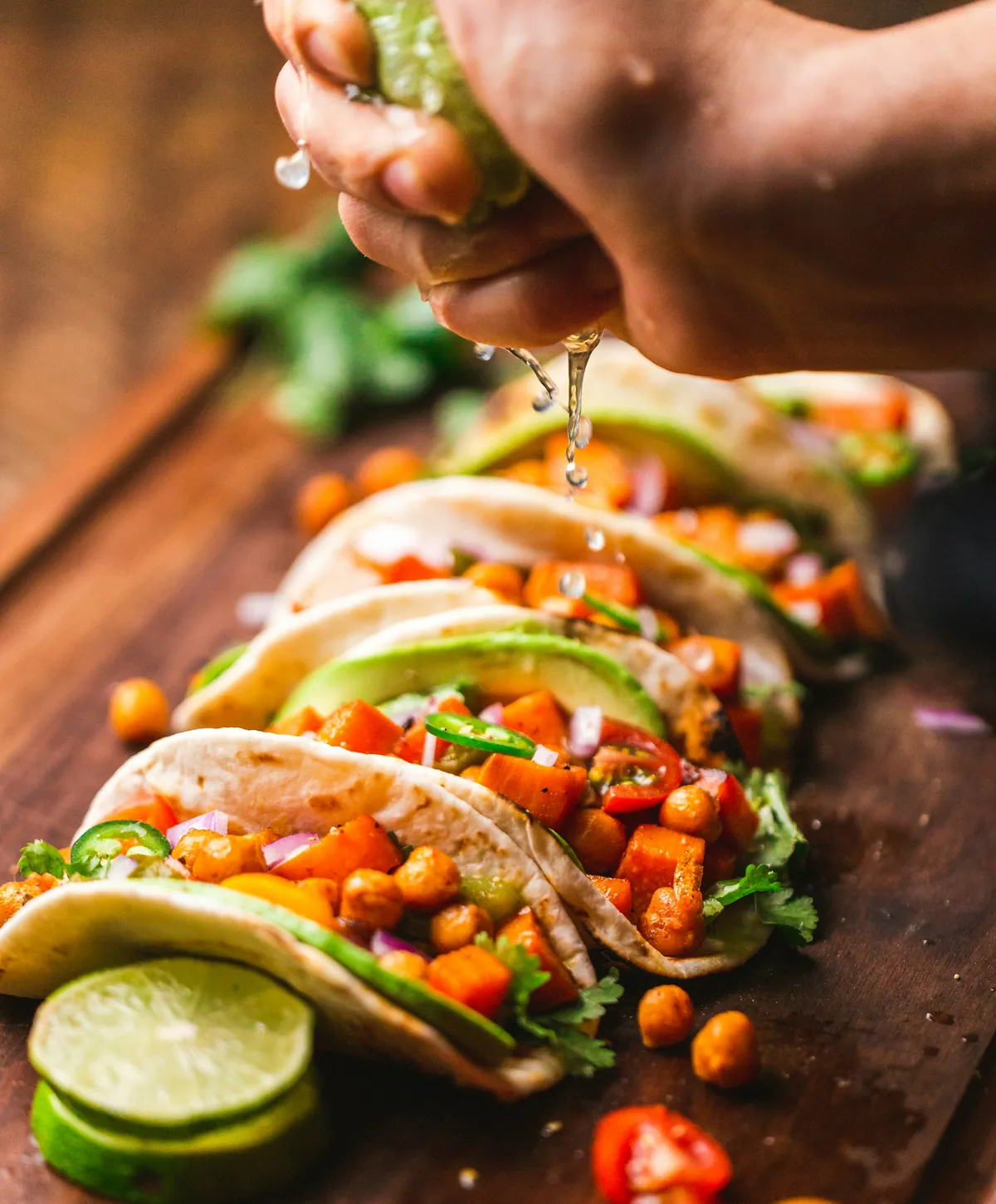
Street tacos are the most affordable and most authentic meal in Mexico City. El Huequito al pastor is the city's signature dish at 1.50 USD per order.
Food worth planning around (with prices)
Mexico City is one of the great food cities of the world. The local cuisine is varied and affordable, and most of the best food is at street stalls and markets.
Tacos al pastor, El Huequito (multiple locations): the city's signature dish, vertical spit pork with pineapple, served on a fresh tortilla with cilantro and onion. 25 to 40 MXN (1.50 to 2.50 USD) for three tacos.
Churros, El Moro (Centro Historico): the classic churro and hot chocolate spot, open since 1935. 60 to 90 MXN per order.
Tamales, Cafe de Tacuba (Centro): traditional tamales and atole in a 1912 mansion decorated with murals. 80 to 150 MXN per person.
Pozole, La Casa de Toño (multiple locations): the city's most beloved pozole, served only on Thursdays and weekends. 120 to 180 MXN per bowl.
Mercado de San Juan (Centro): the gourmet market for cheese, chocolate, and exotic meats like iguana and armadillo. 200 to 400 MXN for a full tasting menu.
Getting to Estadio Azteca
Estadio Azteca is in the south of the city, about 30 minutes from the Centro Historico by metro. The closest station is Tasqueña, and the stadium is a 15-minute walk from there. Driving is not recommended; parking is limited and traffic on match days is brutal. Use the Mexico City Metro, Uber, or Didi to get there and back.
The metro costs 5 pesos (less than 0.30 USD) and runs every 3 to 5 minutes during peak hours. From Coyoacan, the trip is 20 to 30 minutes. From Condesa or Roma, the trip is 30 to 40 minutes. Allow 60 to 90 minutes for the round trip on match day, including the security line at the stadium gates.
Uber and Didi work in Mexico City and are the most convenient way to get to the stadium. From Condesa, the trip is 30 to 40 minutes on a normal day, longer on match days. Average Uber fare from Condesa to Azteca is 80 to 120 MXN (4 to 7 USD) on a normal day and 150 to 250 MXN (8 to 13 USD) on match day.
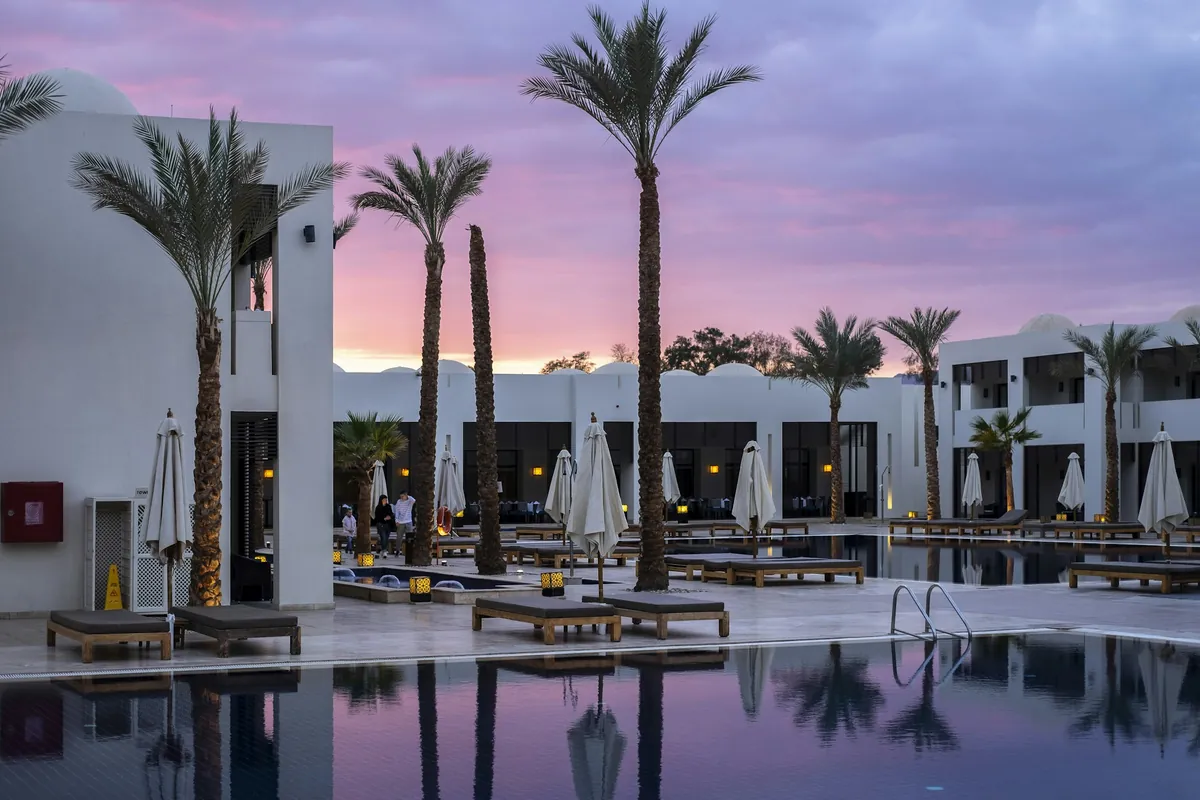
Mexico City has a wide range of hotels from boutique to luxury. Condesa and Roma are the most walkable, Centro is the cheapest, Coyoacan is closest to Azteca.
Where to stay (with rates)
For a World Cup trip, the best base is in Condesa, Roma, or the Centro Historico. Condesa and Roma are the most walkable and have the best restaurants, with hotel rates between 100 and 320 USD a night during the tournament. The Centro Historico is cheaper (60 to 180 USD) and closer to the Zocalo Fan Festival, but the neighborhood is rougher at night.
Polanco is the upscale option, with luxury hotels and the best fine-dining scene in the country, but it is far from the Zocalo. Book early; hotels in the central neighborhoods have been filling up since early 2026.
Coyoacan is the best base if your primary goal is to be near Estadio Azteca. Hotel rates run 90 to 220 USD a night, the Frida Kahlo Museum is a 10-minute walk, and the metro to Azteca is 20 to 30 minutes.
Connectivity for the trip
For a Mexico City trip, a reliable eSIM is the practical solution. Our guide on the best eSIM for Mexico during the World Cup covers the coverage in the three Mexican host cities, the data size you need, and the activation timeline. For fans combining Mexico with the US or Canada, our regional eSIM guide covers the plan that works across all three countries.
If you are going specifically for the opening match at Estadio Azteca, our Mexico City opening match local guide covers the history of the Azteca, the science of the 2,240 m altitude, the hotel market in Condesa and Roma, and the practical logistics for match day at the stadium. The opening match is the first of five Mexico hosts, and the city transforms around it.
Pre-trip checklist
Confirm match tickets or RSVP to the Zocalo Fan Festival if you are attending a public screening.
Reserve restaurants 2 to 3 weeks ahead, especially for the opening week.
Install a Mexico eSIM at home with Wi-Fi before flying so you have data the moment you land at MEX.
Save offline maps of Mexico City, the Centro Historico, and the Estadio Azteca area in Google Maps.
Download a translation app that works offline (Google Translate is fine).
Keep small bills for tipping and street food. Cards are accepted at most restaurants but not at markets and street stalls.
Mexico City during the World Cup is one of the great travel experiences of the decade. The opening match at Estadio Azteca is a once-in-a-lifetime event, and the city around it rewards every kind of traveler, from the foodie to the history buff to the soccer super fan. With a little planning, even a short trip leaves you with stories for the next four years.